
The rapid growth of AI data centers has focused national attention on two infrastructure questions: electricity and water.
A recent incident in Cheyenne, Wyo., suggests a third may be emerging.
After tracing contamination in its reclaimed water system to wastewater generated during commissioning of Meta's new data center, the Cheyenne Board of Public Utilities permanently prohibited discharges from data center fill-and-flush and closed-loop cooling operations into its sanitary sewer system. While the contamination did not affect drinking water, it prompted the utility to revise its industrial discharge policies and highlighted an issue many pretreatment programs have not yet considered.
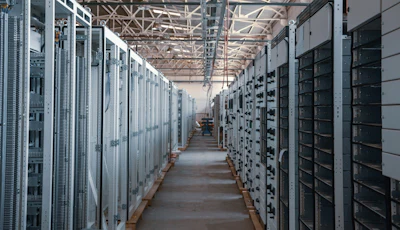
The incident raises an important question for wastewater utilities. Industrial pretreatment programs have long been built around established industries such as manufacturing, food processing, and chemical production. Hyperscale data centers represent a different type of industrial customer, with unique cooling systems, commissioning practices, and maintenance activities that may generate wastewater streams outside traditional permitting assumptions.
As AI development accelerates nationwide, utilities may need to evaluate whether existing pretreatment ordinances adequately address data center operations. That could include new discharge requirements, additional sampling, revised commissioning procedures, or dedicated permit categories for cooling-system wastewater.
One incident does not establish a national trend. But as more hyperscale campuses move from construction to operation, Cheyenne may prove to be an early indication that wastewater utilities have a new industrial sector to plan for.