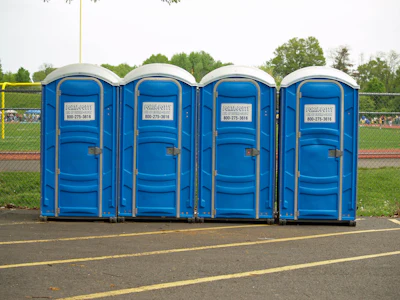

The portable restroom business isn’t what it used to be. What was once a niche service for construction sites and outdoor festivals has become a critical part of modern infrastructure, with rising demand, evolving regulations, and new technology reshaping the industry.
In fact, the global portable toilet market was valued at $16.79 billion in 2022 and is projected to grow to $29.66 billion by 2030.
The companies that thrive in this space will be the ones that adapt—not just to growing sanitation expectations but to the innovations and logistical efficiencies that define the future of portable restrooms.
Why demand is skyrocketing
Construction is driving long-term growth
? Federal and state infrastructure projects—including Bipartisan Infrastructure Law and CHIPS Act investments—are still fueling more construction across the U.S., requiring more restrooms, for longer periods, with stricter sanitation requirements. Political winds may be shifting, but this remains a visible trend.
? OSHA mandates guarantee that every job site provides sufficient restroom access, meaning higher demand and repeat contracts for sanitation companies.
? Urban construction booms are extending rental contracts—projects take longer, requiring longer-term restroom leases.
? Sustainability expectations are rising—contractors increasingly prefer eco-friendly, high-efficiency restroom solutions to comply with green building regulations.
Events are changing expectations
? The post-pandemic surge in festivals, sporting events, and outdoor gatherings has elevated consumer expectations—basic porta-potties are no longer enough.
? Luxury restroom trailers with flushing toilets, climate control, and running water are now a premium upsell, providing rental companies with high-margin opportunities.
? Data-driven event planning allows organizers to optimize restroom placement and servicing schedules, reducing costs while improving the user experience.
Emergency response and disaster relief is a growing market
? Wildfires, hurricanes, and floods are creating urgent demand for rapid-deployment portable restrooms.
? Government agencies like FEMA and the Red Cross actively contract portable sanitation services, providing a stable, recession-proof revenue stream.
? Companies that invest in logistics and rapid deployment capabilities are securing major public sector contracts.
The competitive landscape: Who’s winning?
Industry giants are expanding
? Satellite Industries, PolyJohn, and American Restroom Solutions dominate restroom manufacturing, setting the standard for durability and innovation.
? United Site Services, Honey Bucket, and other national rental chains control the largest event and construction contracts, benefiting from scale and operational efficiency.
? Private equity is moving in, consolidating smaller operators and fueling growth in the sanitation sector.
Independent operators are finding their niche
? Smaller, regional players are thriving by specializing in:
✔️ High-end, VIP restroom trailers for weddings and luxury events
✔️ Sanitation solutions for hazardous or industrial job sites
✔️ ADA-compliant and gender-neutral restroom designs for public spaces
Technology is changing the game
Smart monitoring and IoT integration
? Restroom units equipped with sensors can:
✔️ Track fill levels in real-time, reducing unnecessary servicing costs
✔️ Provide digital dashboards for scheduling and route optimization
✔️ Alert service teams automatically when a unit needs maintenance
Sustainable and water-saving innovations
? Waterless and composting toilets are gaining traction in response to tightening environmental regulations.
? Formaldehyde-free deodorizers are becoming the industry standard as states phase out chemical-based solutions.
? On-site waste treatment technologies are helping reduce disposal costs and environmental impact.
Regulations and compliance: The fine print that matters
Stricter OSHA and public health standards
? New OSHA rules require more frequent restroom servicing on job sites.
? Health regulations are pushing a shift toward restrooms with built-in handwashing stations to improve hygiene.
Sustainability mandates are gaining momentum
? Some states are banning chemical deodorizers, forcing operators to adopt biodegradable solutions.
? Carbon-neutral restroom units are emerging as a competitive differentiator for businesses bidding on government contracts.
How to stay profitable in a changing market
Optimize pricing and contracts
? Event and construction demand fluctuates seasonally—smart operators are using dynamic pricing models to adjust rates in real-time.
? Data analytics help track peak demand periods, allowing for better fleet utilization and improved ROI.
Reduce costs through efficiency
? GPS and route optimization tools are cutting down fuel and labor expenses.
? Investing in high-durability restroom units extends their lifespan, reducing replacement costs.
Decide: franchise or independent?
? Franchise operators benefit from national brand recognition and supply chain efficiencies, but sacrifice pricing flexibility.
? Independent providers have more control over pricing, niche offerings, and service quality—but face tougher competition from big players.
What’s next for the portable restroom industry?
Growth forecasts look strong
? Construction and event-driven demand is expected to continue rising over the next five years.
? Municipal and federal projects are expanding public restroom installations, creating long-term contract opportunities.
Potential disruptors on the horizon
? More cities are investing in permanent public restrooms, which could reduce long-term portable restroom demand.
? AI-driven fleet management and automation could reshape operational models, favoring tech-enabled businesses.
Bottom line: How to stay ahead
? Invest in smart monitoring technology—it’s the future of operational efficiency.
? Go green—environmental compliance isn’t optional anymore.
? Explore new revenue streams—emergency response contracts and VIP event restrooms are lucrative markets.
The businesses that embrace innovation, sustainability, and data-driven decision-making will dominate the future of portable sanitation.