California has allocated $2.5 million to repair and modernize wastewater infrastructure in Clearlake following a catastrophic force main failure that released approximately 2.9 million gallons of untreated sewage into a residential neighborhood earlier this year.
The funding, announced Oct. 12 by state Sen. Mike McGuire, will support improvements to the Southeast Wastewater Treatment Plant and its collection infrastructure. Planned work includes rebuilding the plant's headworks, replacing wastewater conveyance lines and installing two lift stations to transport sewage from surrounding areas into the facility.
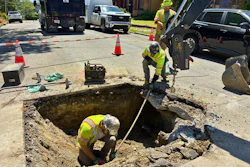
The investment follows a Jan. 11 rupture of a 16-inch wastewater force main in the Burns Valley area. The failure sent raw sewage onto Robin Lane for more than 37 hours, affecting approximately 500 residents and prompting a local health emergency. Sewage entered stormwater drainage infrastructure and Burns Valley Creek, with contamination reaching Clear Lake. The incident also raised concerns about groundwater contamination and the safety of private drinking-water wells.
Lake County subsequently received a state disaster declaration, making local governments eligible for reimbursement of up to 75% of qualifying emergency response costs through the California Disaster Assistance Act.
The $2.5-million allocation was secured through the state budget and is intended to help Lake County begin infrastructure improvements while officials pursue additional funding for the full cost of repairs and modernization.
A single force main failure can quickly become a regional public health and environmental emergency, particularly where residents rely on private wells. Clearlake illustrates the importance of collection-system condition assessment, pumping reliability and emergency response planning—and the substantial costs that can follow when critical wastewater infrastructure fails.