collection and treatment infrastructure in light of increased coastal
flooding.
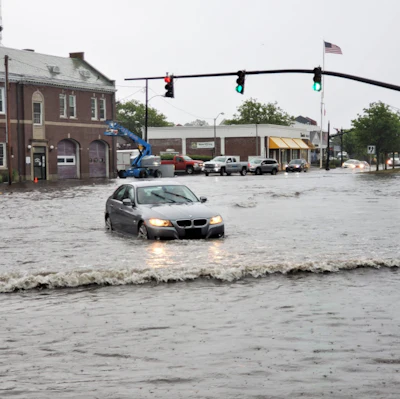
The impacts of climate change on Rhode Island are well documented and increasingly severe. A report released by the state outlined historic levels of seal level rise, as well as warming water temperatures and intensified inland flooding.
Coastal communities like Bristol continue to endure these changes, necessitating upgrades in stormwater collection and treatment infrastructure. As such fixes don’t come cheaply, Bristol has secured a $788,000 loan from the Rhode Island Infrastructure Bank (RIIB), capitalizing on the agency’s extensive history of successful environmental financing.
Upon closing the loan in early December, Bristol tapped into a funding model that serves as a bulkhead against dwindling federal climate investment. The loan derives from the Clean Water State Revolving Fund, which accommodates the budgets of smaller towns based on capital capacity and project viability, according to bank officials.
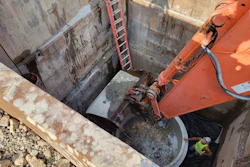
State dollars will finance the design and engineering of four regional waste and stormwater projects, including plans for a composting facility. Financing will further support general infrastructure rehabilitation, improvements to a wastewater treatment plant, and removal of an aging shoreline pipe.
“We’ve seen sea level rise because of climate change, and we’re getting heavier rainstorms and dealing with inland flooding,” said Diane Williamson, director of community development for the Town of Bristol. “We’re seeing those effects along our shore.”
Partnering with RIIB mirrors the experience of working with a trusted local lender, added Williamson. In August, the bank lent Briston $2.8 million for road resurfacing, paving and maintenance work. The town also received a $461,000 RIIB grant for a parking area near a key municipal waterfront site.
“There’s some degree of certainty going with (the bank) for a request,” Williamson said. “It helps having an agency that’s local to Rhode Island, when we’re also competing at a higher level for federal grants. (RIIB) knows our projects – it’s like working with a local bank versus a bigger chain.”
A good marriage
Rhode Island is susceptible to flooding due to its major rivers, coastline proximity and largely urbanized landscape. River and coastal flooding is exacerbated by hurricanes and Nor’easters, though even heavy rains can overwhelm a built-out environment where precipitation has nowhere to go but up.
Increased flooding in Bristol highlighted the need for wastewater improvements – turning to the Rhode Island Infrastructure Bank has empowered the municipality to tackle multiple initiatives at once, said RIIB executive director William Fazioli.
Acting as a centralized investment hub, the bank leverages revolving fund capital to fulfill the environmental goals of the Clean Water Act. Utilizing federal grants and state contributions, the fund finances a diverse portfolio encompassing everything from wastewater stabilization to brownfield remediation.
While the bank has loaned $2 billion for clean water efforts over its ?? history, the revolving fund helps it meet heightened demand for climate-resistant infrastructure. In addition, the bank works directly with borrowers to complete financing applications, said Fazioli.
“This started in the ‘90s when the bank was just doing drinking water and wastewater projects,” Fazioli said. “In the mid-2000s, they said let’s extend that to other needs. This is below-market financing where interest rates are subsidized, and fees are modest compared to traditional bond offerings. We’re making it as easy as possible for communities to work with us.”
Loans can be repaid over 20 years at 33% below the borrower’s market rate. In 2025, the bank provided $200 million to municipalities, businesses and homeowners for PFAS remediation, stormwater infrastructure and similar sustainability efforts.
This marriage of planning and finance allows the bank to address community needs before they escalate, while also acting as a “proof of concept” for future financing. In Bristol’s case, merging projects also eases the burden of high-stakes infrastructure funding, Fazioli said.
“There’s an efficiency in putting all of these projects together,” said Fazioli. “They all have some environmental aspect, whether it’s about sea level rise or composting. You’re creating an administrative ease in having those things packaged together, and making the work more viable in the long run. Lenders would be reluctant to put money into a project otherwise.”
In the meantime, the bank continues to fortify the foundations of essential public services. The Resilient Rhody Infrastructure Fund, a RIIB-managed revolving loan, was developed to finance multi-million-dollar ventures around coastal flooding, heat mitigation, inland stormwater management, and emergency services infrastructure.
Bristol’s clean water loan can be a financial catalyst, paving the way for the large-scale funding necessary to bridge the gap between planning and completion of vital public works, said town official Williamson.
“Now we can move a lot of our priorities forward in a timely manner,” Williamson said. “There are no shortage of good ideas, so we want to keep moving up the long list of projects we have on our plate.”