Managing algae blooms in the East Vadnais Lake watershed has been a years-long battle for Saint Paul’s water utility. Aeration and oxygenation systems are robust pollution-fighting weapons, while granular activated carbon filtration has become another armament in the utility’s arsenal.
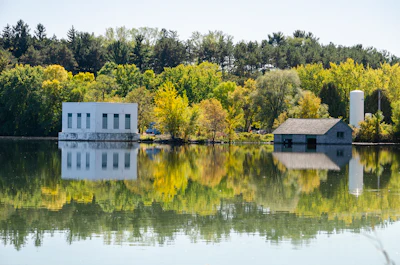
Three new retention ponds will enter the fray later this decade, part of a project led by the city of Vadnais Heights to reduce flooding and improve resiliency. When completed, the ponds will moderate runoff and contaminants entering East Vadnais Lake, a drinking water source for 400,000 residents connected to Saint Paul Regional Water Services.
The ponds will cut 39 pounds of phosphorus annually, preventing up to 19,500 pounds of algae growth in the reservoir, according to the city. Engineers said the system will intercept approximately 11,000 pounds of total suspended solids - including bloom-triggering phosphorus - before they can flow into the reservoir.
“Water quality and flood protection is one aspect of the retention ponds,” said Justine Roe, water quality supervisor with the Saint Paul utility. “We’re putting in controls to minimize stormwater, which can carry a lot of suspended solids. Mitigating stormwater so it’s not just dumping into the lake is a huge benefit. The better quality water coming into our treatment plant, the better it will be going out.”
City engineers will dig the basins behind Vadnais Heights City Hall, adding a boardwalk, gathering spaces and observation platforms. The $2.8 million project is funded by state lottery profits earmarked for Minnesota’s Environmental and Natural Resources Trust Fund.
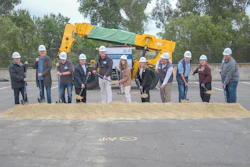
The multi-agency effort among the utility, Vadnais Heights, Ramsay County, and the Vadnais Lake Area Water Management Organization (VLAWMO) will begin construction in late 2027 or early 2028. Officials have set a mid-2029 target for completion of all construction and infrastructure work.
Retention ponds are a common stormwater management strategy in Minnesota, said VLAWMO administrator Phil Belfiori. The man-made basins hold water for an extended period, allowing pollutants to settle to the bottom before moving to water bodies downstream. Excess nutrients and other toxins can also be filtered by aquatic vegetation or vegetative buffer strips surrounding the pond, said Belfiori.
“Water also leaves the outlet control structures at a more controlled rate, which can reduce flooding downstream,” Belfiori said in an email. “The project will be ultimately successful if the ponds can capture enough stormwater volume to reduce existing and future risks of flooding and improve water quality.”
Vadnais Heights Public Works Director Jim Hauth emphasized that safeguarding wetlands around the lake remains a core priority during the ongoing planning.
“We had to look at the size and type of wetland before going ahead,” Hauth said. “The wetland is smaller than we thought, so the site can accommodate a larger project and it will be easier to make improvements.”
A look ahead
 SPRWS
SPRWS
“Multi-agency coordination has been important for funding as well, because flooding and water quality impacts are not restricted to the city or watershed,” said Hauth. “These issues have impacts throughout the state. In the end, we are all partners on this.”
Since the 1980s, the utility and VLAWMO have stabilized shorelines and streambeds to decrease the nutrient runoff that fuels algae growth. The utility has also installed aerators and oxygenators to neutralize the nutrients that algae uses to multiply.
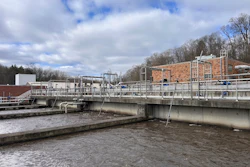
Meanwhile, a granular activated carbon system acts as a plus-sized “Britta filter” to reduce dissolved toxins, said utility supervisor Roe. The addition of retention ponds will further purify a lake that already boasts low pollutant levels from restrictions on recreational boating and fishing, she added.
Water quality in the region has improved since the days when simply opening a kitchen faucet released the foul odor of pollution. Roe’s utility will continue to roll its Water Wagon out on hot summer days, potentially offering a side of education for residents curious about the area’s new infrastructure initiative.
“They know us, and they trust us, because the better water stewards we are, the better the end product,” said Roe. “These ponds will catch stormwater and flooding and hold back the contaminants that would otherwise reach Vadnais Lake. We had complaints about algae years ago, but those have dropped off.”
City official Hauth said that the completed site will feature trail systems along with displays that illustrate the role native ecosystems play in flood mitigation. Combating toxic algae blooms is key to ensuring this healthy environment endures, Hauth said.
“It’s more than stormwater improvements – we’re looking forward to opening this space for residents,” he said. “I see it as a space for recreation and gathering, and for people to enjoy nature.”