
Approximately 30% of the water workforce is set to retire within the next decade. As efforts to get younger generations involved in water and wastewater continue to ramp up, it’s important for new operators to know what they’re getting into.
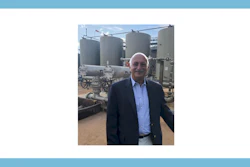
Greg Yuronich, chief of utility operations for Avon Lake Regional Water, didn’t know what to expect after graduating from Bowling Green State University and starting his career in the water and wastewater industry. Greg Yuronich
“The job I had lined up after college fell through at the last minute so I ended up needing to find a new path quickly,” he says. “Instead of working for a large utility I accepted a position at a small water and wastewater system.”
The small-town setting turned out to be a blessing in disguise. Yuronich experienced every part of the job, from controlling, adjusting, and troubleshooting a wastewater treatment plant working with pumps and equipment hands-on to performing lab testing and interacting with customers as well as regulators.
The experience gained at this small utility eventually earned Yuronich a position at a much larger organization. Throughout his 25-year career, including 14 with Avon Lake Regional Water, he has learned a thing or two. For those interested in making the leap, Yuronich has some hard-earned advice to share.
Get as many certifications as possible
Being a certified water or wastewater operator is essential to protect public health and the environment. By maximizing their certifications, operators can improve employability and provide technical expertise where it’s needed.
“Certifications are definitely helpful,” says Greg Yuronich. “That’s one way to separate yourself when you’re looking for a job.”
It’s worth noting all Ohio EPA treatment licenses require operating experience. However, all except for the highest level of licensure allow for passing the exam as an Operator-in-Training (OIT). This means that OITs will receive a physical license as soon as they document experience in the field—this is highly valuable to employers looking to hire job-ready candidates.
Yuronich recalls the water and wastewater workforce shortage being a looming fear for treatment plants when he first entered the industry 25 years ago. He didn’t really start to see a difference, however, until the COVID-19 pandemic in 2020.
“Prior to COVID, we had no trouble getting a large selection of applicants to replace our staff as they retired,” he explained. “Once the pandemic hit, we were only seeing three to four applicants for a job instead of 40.”
Before the pandemic, Yuronich only accepted applicants that had a higher certification level. But since the labor pool started shrinking, he modified his approach. He now looks for the right applicant, offering them additional education and training opportunities.
“I’d say it’s a combination of things,” he says. “If you’re interested in what you do and have the proper certifications, you’re a very valuable employee.”
Don’t overlook the long-term perks
Getting a pension and quality health insurance are two major perks that attract new wastewater operators. Yuronich admits that he wasn’t as concerned about health insurance when he was younger, but he’s thankful to have it now.
“I didn’t put as much value on the insurance side of things when I was younger, but I’m thankful to have it now,” he says. “I don’t think many of us realize how much better these options are than what’s available in private industry.”
When he first took the position with the small village, Yuronich wasn’t as excited about the wages that came with working for a small town. However, the experience gained and getting into the state’s retirement system and insurance plan proved to be a major win.
He admits he took these opportunities for granted when he was younger, but now realizes that quality health benefits and retirement plans are an attractive selling point for the public utility sector. Yuronich encourages new operators to consider these benefits when searching for career opportunities.
Reach out to facilities during your job search
In most cases, people don’t think about what goes into water or wastewater treatment. They turn on the faucet and flush the toilet every day, yet don’t give much thought to what happens next. The water and wastewater treatment space is a mystery to the broader public, even though everyone needs it to function.
“Water or wastewater treatment are very stable careers,” Yuronich explains. “You’re always going to need drinking water and a toilet that flushes no matter what the economy is doing.”
For those considering a career in water or wastewater, he encourages them to reach out to their local facilities. As an experienced operator himself, Yuronich is always willing to give tours and go through his daily tasks.
This can give potential operators the reassurance they need to know if they’re on the right career path—or gives them a chance to change careers with no strings attached.
“I did a few internships, and it taught me what I like and what I don’t like,” Yuronich says. “I think keeping your options open and getting a feel for what the industry is really like is important.”
Take advantage of the industry’s variety
There are several career paths within the wastewater space, and operators can choose one that piques their interest the most.
“There are a lot of things you do and use on a daily basis,” Yuronich says. “You can choose to focus on one area over another.”
He graduated from college with an environmental health degree, which he then applied to water and wastewater treatment.
“What I really like about wastewater treatment is the troubleshooting that involves looking at bacteria populations under a microscope to see what the process is really doing,” he explains. “Much of the wastewater treatment process involves utilizing the right kinds of bacteria to treat the water and setting up the process to favor the growth of those beneficial species.”
A career in water or wastewater treatment typically starts with an entry-level operator’s license from the Ohio EPA. From there, once operators find their niche, they can earn specialized certifications to work in more specialized roles.
For those interested in the lab, like Yuronich, pursuing wastewater laboratory analyst certifications is an option. Those who prefer the hands-on component of wastewater work or moving towards supervisory roles can pursue advanced treatment licenses or industrial pretreatment wastewater certifications.
As the water and wastewater workforce nears retirement, more career opportunities await new operators. The next step? Reach out to your local treatment plant and see for yourself.