
Large urban wastewater plants are shifting from incremental upgrades to full resource-recovery modernization programs. Arlington County’s Re-Gen project shows how utilities are pairing biosolids upgrades with renewable energy production and long-term regulatory planning.
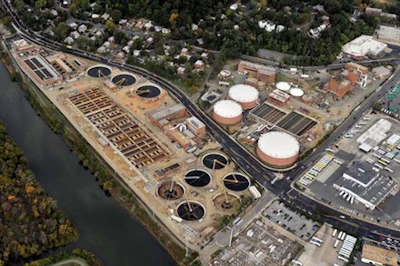
Arlington County Department of Environmental Services has begun the first phase of the Arlington Re-Gen program, a multi-year modernization effort at the Water Pollution Control Plant.
The project will upgrade the facility’s solids-processing infrastructure and install thermal hydrolysis and anaerobic digestion systems to convert wastewater solids into renewable energy.
By the numbers
- The plant treats about 21 million gallons per day of wastewater
- Roughly 20% of flows originate from neighboring jurisdictions
- Initial construction phase: about $32.2 million
- Total modernization program: roughly $200 million
What the upgrades include
- Thermal hydrolysis pretreatment to improve digestion efficiency
- Anaerobic digesters to produce biogas / renewable natural gas
- New biosolids dewatering and screening equipment
- Improved truck-loading infrastructure
- Modern odor-control systems
The upgrades will allow the plant to produce Class A biosolids, suitable for beneficial reuse.
The big picture
Wastewater utilities nationwide are increasingly investing in energy-positive treatment plants, resource recovery from biosolids, and long-term nutrient and regulatory compliance.
Thermal hydrolysis systems are becoming common at large facilities because they increase biogas production and reduce biosolids disposal costs.
For utilities, Arlington’s approach highlights three strategic lessons:
Modernize solids processing early. Biosolids systems are often the oldest infrastructure at wastewater plants and the most energy-intensive to operate.
Bundle sustainability with capital upgrades. Energy recovery can help offset long-term operating costs.
Plan for multi-decade regulatory pressure. Nutrient reduction and climate goals are driving comprehensive plant redesigns.
What’s next
Major construction on the Re-Gen project is expected to begin later in 2026, with full system commissioning targeted for 2031.
For utilities watching the sector, the project underscores a growing reality: the next generation of wastewater plants will function as energy and resource recovery facilities (not just treatment systems).