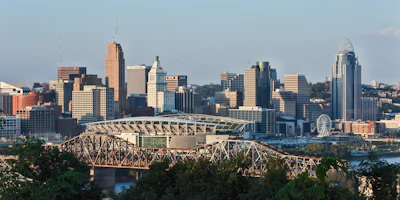

For the last few years, the question of how to pay for water infrastructure improvements has been a major conversation at industry trade shows. Cincinnati is putting that conversation into numbers: five years of proposed rate increases, a faster pace of lead service line replacement and a costly treatment upgrade for PFAS.
The bill is coming into focus.
Greater Cincinnati Water Works presented a proposal to City Council's Budget, Finance and Governance Committee on Nov. 9 that would raise water rates 9.5% each year from 2027 through 2031, according to WVXU and WCPO. The increases remain proposed. WVXU reports that City Council could vote next week.
The annual figure matters. Customers would face successive increases over five years if the plan is approved; 9.5% describes each year's proposed increase, rather than the total increase across the period. WCPO reports that the utility's presentation projects an average monthly increase of $3.14 in 2027, with additional increases in later years.
GCWW Executive Director Andrea Yang pointed to federal requirements as a major cost driver. "Those are very high-cost mandates, and they're in a very compressed period," she told the committee, according to WCPO.
Lead replacement is one part of the pressure. WVXU reports that GCWW has replaced 10,000 lead service lines and has about 30,000 remaining. Yang said the utility would need to increase its replacement pace from roughly 1,500 lines last year to 3,000 annually to meet the requirements she described as beginning in November 2027.
PFAS treatment adds another large expense. WCPO reports that GCWW estimates the work at $90 million to $120 million. WVXU identifies the planned treatment upgrade at the utility's Bolton Plant in Fairfield. Aging water mains, electricity costs and inflation are also part of the utility's case for higher rates.
For council members, the funding mix is still open for debate. WCPO reports that Councilman Mark Jeffreys questioned an increase that outpaces inflation and asked the utility to examine large-volume discounts and other possible funding sources.
That brings the trade-show conversation home. Lead pipes need to come out. Treatment plants need investment. The question of how to pay for that work reaches customers through a monthly bill, where the pace of improvements and the ability to afford them have to be considered together.
Cincinnati's proposal gives that question a concrete test. The next step is whether council accepts the utility's funding plan or asks it to find another way to cover the work.