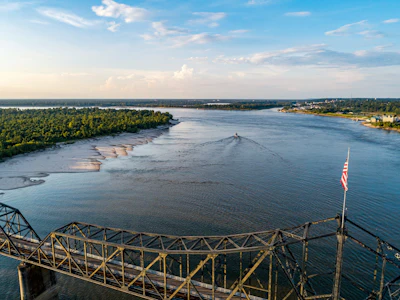

American Rivers’ 2025 report lists the Mississippi River and Tijuana among the U.S.’s 10 most endangered rivers, driven by wastewater pollution, industrial runoff, and climate stress.
The Mississippi faces nutrient overloads from 31 states, fueling hypoxic “dead zones” in the Gulf of Mexico.
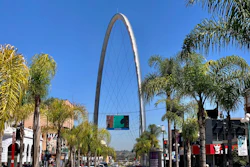
Meanwhile, the Tijuana has been lashed by “millions of gallons of contaminated stormwater, sewage, harmful chemicals, and trash [that] flow down the river into the Pacific Ocean,” according to American Rivers.
Here’s the full list:
1. Mississippi River
2. Tijuana River
3. Rivers of Southern Appalachia
4. Passaic River
5. Lower Rio Grande
6. Rappahannock River
7. Clearwater River Basin
8. Susitna River
9. Calcasieu River
10. Gauley River
Why it matters for business: The Mississippi supports $400 billion in annual economic activity, including 60% of U.S. grain exports, but aging wastewater plants—many built pre-1980—exacerbate pollution, risking shipping disruptions and regulatory fines, and it’s not alone in forming the foundation of sprawling business dynamics. The Rio Grande’s decline, for example, threatens $10 billion in Texas agriculture and cross-border trade.
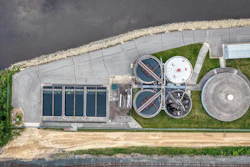
Water treatment firms stand to gain from an estimated $20 billion in upgrades needed to meet Clean Water Act standards, while noncompliance could hit industries with $50,000/day penalties.
The big picture: The U.S. wastewater treatment market, valued at $120 billion in 2024, faces mounting pressure to modernize as climate change amplifies river stress. The report’s spotlight on nutrient pollution and overuse signals tighter EPA regulations, potentially driving demand for advanced filtration and real-time monitoring tech.
Furthermore, U.S. rivers are at a tipping point, with 50% of waterways too polluted for fishing or swimming, per EPA estimates.
For instance, the Calcasieu River in Louisiana faces toxic chemical dumping, threatening $15 billion in seafood production; southern Appalachia’s rivers, like the Nolichucky, are reeling from Hurricane Helene’s destruction of wastewater infrastructure; and the Tijuana River’s sewage crisis disrupts $2 billion in California tourism. These threats signal a $400 billion national infrastructure gap, driving demand for advanced treatment and flood-resilient systems while exposing industries to stricter regulations.
By the numbers:
- Mississippi River: 1.2 million square miles of drainage, 70% of nutrient pollution from agriculture/wastewater.
- Lower Rio Grande: Water rights exceed actual flow by 2x, risking $1 billion in annual crop losses.
- Calcasieu River: 200 miles, supports 30% of U.S. seafood, $500 million in cleanup costs estimated.
- Southern Appalachia Rivers: 44 dams failed post-Hurricane Helene, $1 billion in wastewater infrastructure damage.
- Tijuana River: 120 miles, 1 billion gallons of untreated sewage annually, $100 million in beach closure losses.
What’s next: The EPA is likely to propose stricter nutrient discharge limits by Q4 2025, spurring RFPs for phosphorus removal tech. In Texas, water-sharing talks with New Mexico and Mexico could reshape Rio Grande allocations, impacting agribusiness contracts. Industry groups may lobby against regulatory overreach, citing compliance costs.