 Photo: Steve Tan
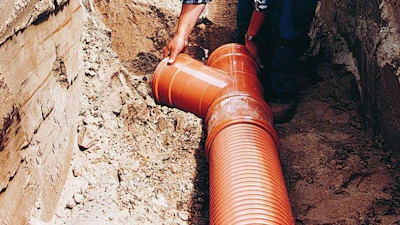
In the wake of the U.S. EPA’s Lead and Copper Rule Improvements (LCRI), communities are pulling out legacy water lines to protect consumers from potential exposure to these neurotoxic metals. Polyvinyl chloride pipes, commonly known as PVC, have been a prominent material of choice in replacing lead pipes due to their availability and price point.
However, the EPA’s latest prioritization of vinyl chloride, PVC’s base chemical, under the Toxic Substances Control Act (TSCA) could potentially hinder the use of PVC pipe in drinking water systems and indoor plumbing, leaving water agencies with little recourse.
High priority
In December 2024, vinyl chloride was listed among the five latest chemicals added to TSCA’s high priority list. This prioritization initiates the Risk Evaluation phase of its investigation, which will review the potential harm of common exposure points to vinyl chloride throughout its life cycle. This includes factory workers at vinyl chloride production facilities, the manufacturers of the many products that use the chemical, and the municipal drinking water residents with PVC in their plumbing.
In January 2025, EPA published a draft scope of the risk evaluation and opened it to public comment, even extending public comments through April 2025. Among the “Commercial Use” categories named in the draft scope, “drinking water pipes” and “sewer pipes” can be found alongside other construction and building materials to be investigated. This prompted comments from industry groups, concerned individuals, and drinking water associations like the Association of Metropolitan Water Agencies (AMWA).
Fifty years in the making
Vinyl chloride was presented as a primary example for stricter regulations on 20th-century chemical manufacturing when Congress urged on the creation of the TSCA in 1974. Proponents of the TSCA bill argued that the same chemicals behind our modern advances rarely received enough scrutiny regarding their impacts on human health, stating: “Although vinyl chloride had been on the market for tens of years, it was not identified as a carcinogen until 1974, after several polyvinyl chloride workers died of an extremely rare form of liver cancer.”
TSCA was enacted into law the following year.
Vinyl chloride has reentered the public conversation most recently in the wake of the 2023 East Palestine, Ohio, train derailment, whose subsequent fire burned mass volumes of vinyl chloride into the atmosphere. This toxic chemical’s adverse health impacts are well documented by decades of research, which finds it causes a variety of cancers, immune disease, and developmental problems in those exposed to it.
While TSCA’s prioritization of vinyl chloride may seem delayed, EPA and other agencies have instated various regulations over the years to minimize human exposure to the chemical in workplaces and daily life, including in the Safe Drinking Water Act (SDWA).
Redundant regulations
The Association of Metropolitan Water Agencies, which represents public water agencies that serve 100,000 people or more, points to vinyl chloride’s maximum contaminant level (MCL) of 0.002 mg/L on SDWA’s primary contaminant list to support its position that drinking water pipes should be excluded from the risk evaluation’s final scope.
The Association stated that banning PVC pipes for water distribution under TSCA would be a “duplicative regulation” as the current MCL is already in place to protect consumers from harmful exposure.
AMWA also cites the NSF 61 standard, which “establishes health-effects requirements for the chemical contaminants and impurities that are indirectly imparted to drinking water from products, components and materials used in drinking water systems,” according to the National Science Foundation’s website.
AMWA goes on to explain the weight that this decision would have on water agencies nationwide, citing that since 2018, over half of all pipes installed in the U.S. were made of PVC. The implication of including drinking water pipes in the draft scope motivated the association to pose the questions:
“If EPA fails to recognize the protections provided under SDWA and determines under TSCA that PVC pipes present an ‘unreasonable risk,’ what feasible pipe material options will remain? Could water systems be faced with a subsequent mandate to eliminate and replace PVC pipe, after completing the task of eliminating and replacing lead pipe under the Lead and Copper Rule Improvements?”
Potential impact
The Federal Register notes that the Risk Evaluation process will take three to four years from publishing the final scope. In the meantime, water agencies will be left wondering whether today’s PVC pipe installations will face the same fate as the lead pipes they’re replacing.
In its comments to EPA, AMWA cites that this prioritization comes as a shift in policy. EPA has historically encouraged PVC as a viable option for water agencies, even as recently as the LCRI economic analysis, which AMWA cites in its public comments.
PVC is the cheapest option for water agencies to replace lead pipes; removing it from the market would strain utilities beyond their resources and undo the progress water providers have made to comply with LCRI.
In limbo
After closing the public comments period in April 2025, the Federal Register stated that the official scope would be published in June 2025. The final scope did not materialize in this timeline with no future date mentioned. In the meantime, water utilities are moving forward with installing PVC pipes in their distribution systems.
Once the final Risk Evaluation scope is published and completed, PVC will most likely make up a larger portion of water distribution networks than they do today, growing the potential impact of a future ban.
When asked to comment, the EPA’s press office responded: “EPA’s chemical safety program plays an integral role in implementing … Administrator Zeldin’s ‘Powering the Great American Comeback’ Initiative. … EPA is evaluating our existing chemicals program to ensure we’re protecting human health and the environment and aligning Administration priorities and executive orders. … EPA is subject to a consent order that requires us to finalize seven risk evaluations this year and 10 more by the end of next year. These factors, in addition to figuring out how best to use our resources, will determine the best path forward for our actions on existing chemicals.”