New York Governor Kathy Hochul announced that $325 million in new funding is available for the next round of the Water Infrastructure Improvement and Intermunicipal Water Infrastructure Grants program.
This significant investment will help municipalities across the state repair, upgrade and modernize the drinking water and sewer systems, directly safeguarding public health, improving water quality, and driving economic growth. This funding underscores Governor Hochul’s ongoing commitment to clean water, public health and affordability. By improving infrastructure, the State is not only protecting drinking water and the environment, but also creating good paying jobs in manufacturing, engineering and construction–all while providing crucial financial relief to New Yorkers.
“New Yorkers deserve clean water, and we’re delivering,” Governor Hochul said. “This $325 million investment is about action, not promises. We’re modernizing our critical infrastructure, tackling PFAS contamination head-on, and giving communities the tools they need to build strong, safe, modern water systems, while keeping utility rates affordable for hardworking families. This is how we protect public health, cut costs, and lay the foundation for lasting progress in New York.”
The New York State Environmental Facilities Corporation (EFC) will open the grant round on June 20, when applications, guidance and webinar information will be posted to efc.ny.gov. EFC’s website can also connect applicants to the Community Assistance Teams, who can help local governments address their water infrastructure needs and provide tips for submitting competitive applications. Applications will be due September 12.
This grant round advances Governor Hochul’s comprehensive clean water and affordability agendas by continuing enhanced grant awards for projects that address some of New York’s most urgent water quality needs:
- PFAS Treatment: Eligible projects that address water systems with emerging contaminants above the State determined maximum contaminant level (MCL) will be awarded 70 percent of net eligible project costs. Water systems with emerging contaminant levels between the federal proposed level and the state level will also get enhanced scoring. For all other projects, including those addressing federal MCLs but below the state’s maximum allowed level, a municipality can receive $5 million or now up to 70 percent of eligible project costs, whichever is less. These improvements to the State’s program are designed to help communities be better prepared to comply with future federal standards and proactively safeguard public health.
- Small and Rural Sewer Projects: Even with substantial state support for water infrastructure, many small municipalities still face financial barriers. To address this, Governor Hochul is once again directing EFC to double grants from 25 percent to 50 percent of the net eligible project costs for small struggling communities. This enhanced funding will significantly reduce the financial strain on local ratepayers. Further, EFC’s Community Assistance Teams will continue their dedicated work on helping small and rural communities access state and federal investments to address their water infrastructure needs.
Additionally, municipalities are encouraged to submit applications for other eligible projects including:
- Wastewater treatment plant construction or upgrades
- Sewer system extensions or rehabilitations
- Disinfection and advanced treatment technologies to improve water quality
- Installation or improvement of drinking water treatment systems
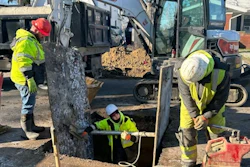
- Replacement or rehabilitation of aging water mains and service lines
- Replacement of lead service lines
- Collaborative projects between municipalities to share services or infrastructure
- Cost-effective regional approaches to water and sewer infrastructure challenges
New York State Environmental Facilities Corporation President and CEO Maureen A. Coleman said, “This funding is a game-changer for communities across New York. We’re helping local governments tackle urgent water challenges, from replacing aging pipes to eliminating dangerous contaminants like PFAS, while supporting Governor Hochul’s commitment to affordability. These grants are about impact and ensuring every community has access to clean, safe water for generations to come.”