
The wastewater industry is expected to grow immensely in 2026. Federal funding, aging assets, and climate change are going to drive record project volume next year.
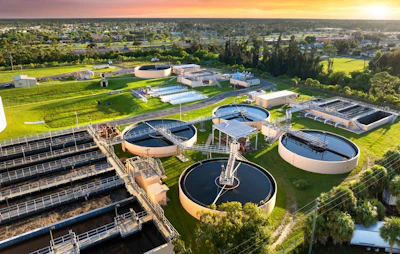
But Winter Springs, Fla., got a headstart on its wastewater projects well before the 2026 surge. Earlier this month, the city secured $19.2 million in federal funding to replace both of its aging wastewater treatment plants. Considering the facilities exceeded their 50-year lifespan more than a decade ago, city leaders needed to plan ahead to get the ball rolling for next year.
Over the last three years, Winter Springs has invested more than $10 million into project planning and design. Early next year, the project will officially break ground, and early planning helped city officials avoid the rising costs of delayed projects.
“It’s well overdue and ultimately it’s going to protect us against a catastrophe that will otherwise happen if they weren’t renewed,” Jesse Phillips, resident of Winter Springs, shared with Spectrum News.
In total, the wastewater project will cost Winter Springs $200 million. While the $19.2 million in funding only makes a dent in the overall cost, the city’s proactive strategy demonstrates how municipalities that plan first will secure funding faster and build less expensively.
Planning is key to avoiding a water disaster
To be clear, $200 million isn’t a low price. However, Winter Springs could have paid hundreds of millions more had its wastewater plants stopped working properly or broken down completely due to their age. More importantly, the city has avoided health crises for its residents.
To put the magnitude of water crises in perspective, here are three recent wastewater incidents that could have been avoided with better project planning from city officials.
- Richmond, Va.: In January 2025, a winter storm caused Richmond’s water system to temporarily malfunction. As a result, a “boil water advisory” was put into place, urging citizens not to drink water from the tap and to conserve water when they could. A second advisory was put into place the following May. The Virginia Department of Health claimed that both incidents could have been avoided if infrastructure problems had been identified and addressed earlier.
- Atlanta, Ga.: Aging infrastructure continues to pose problems across Atlanta. Throughout 2024 and into 2025, water main breaks flooded the city’s streets and disrupted service. At present, the city is evaluating its current water system and determining which parts of the system it needs to upgrade first. These ongoing problems could have been avoided if pipe replacement hadn’t been deferred and proactive planning was in place.
- Prichard, Ala.: The city of Prichard has dealt with the consequences of deteriorating water systems for years. City streets continue to flood due to failing water systems and utility crews are constantly repairing pipes as valves fail to function how they’re supposed to. According to an environmental report from the state of Alabama, more than half of the drinking water purchased by Prichard citizens is lost due to these issues. Neglecting these system upgrades has created issues that cost more for the city to fix than prevention planning would have required.
These three examples emphasize how Winter Springs’ proactive replacement strategy is essential for other cities to emulate. Considering most water systems in the U.S. are as outdated as Winter Springs’ is, it’s important for more municipalities to address their infrastructure problems to avoid catastrophe down the road.
Cities that plan wastewater projects now will break ground in the next few years. Those that wait will handle infrastructure failures or issue even more public health advisories for their citizens.
Where to start and what questions to ask
According to the U.S. Environmental Protection Agency (EPA), there are several steps community leaders and city officials can take to improve their water infrastructure, just like Winter Springs did.
Here are EPA’s five key tips:
- Use an asset management program to develop a long-term investment plan before inconveniences become emergencies.
- Reduce operating costs by operating efficient systems. You can do this by encouraging smart water use among residents, promoting water-efficient products, and plugging leaky distribution systems.
- Explore new technologies, reuse strategies, and green infrastructure approaches. Alternative solutions can lower long-term costs than traditional methods and offer the best benefits for your community.
- Talk about the problem – spreading awareness about water infrastructure problems will help build public support.
- Collaborate with others in the water sector. Building partnerships across all water segments (drinking water, wastewater, and storm water), your local watershed, and your city’s planning department ensures your entire network is on the same page about improving water infrastructure.
In its 2025 infrastructure report card, the American Society of Civil Engineers (ASCE) shared that the U.S. will need approximately $63 billion per year for the next 20 years to fix water treatment plants and pipes while also preventing water contamination.
In fact, the ASCE graded Florida’s infrastructure at a C+ with an optimistic note: “This progress reflects years of hard work, strategic investment, and a commitment to resilience. Six of the 17 categories had grades in the ‘B’ range, the most of any state. Florida’s leaders are preparing for the future. With a growing population and more severe weather, the state invested in programs to strengthen systems and modernize assets.”
Considering the average water pipe is 45 years old and its lifespan is typically between 50 to 60 years, the clock is ticking on America’s water system. But it’s not too late to start planning ahead. You can follow in Winter Springs’ footsteps by evaluating your water system, identifying what’s broken, and fixing it before disaster strikes.