
A Colorado water utility is taking an unusual step to protect its ratepayers: suing another public entity over PFAS contamination.
Read the official press release here.
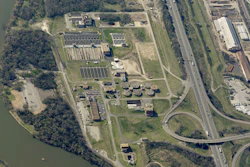
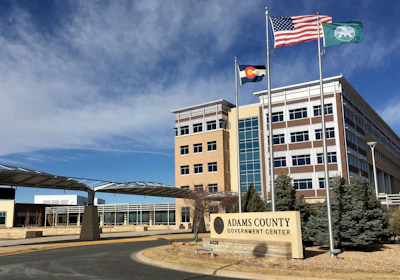
South Adams County Water and Sanitation District, which serves some 75,000 customers in the area, has filed a federal lawsuit against the city and county of Denver, seeking to recover the long-term costs of treating “forever chemicals” that migrated into its raw water supply from a Denver fire training facility.
The case highlights a growing reality for utilities nationwide, even when drinking water remains compliant, the financial burden of PFAS treatment can linger for decades, raising new questions about liability, cost recovery, and who ultimately pays.
This was not a decision made lightly.
“Today’s filing is the culmination of multiyear efforts to gain relief from the past and continued migration of these forever chemicals downgradient from the Roslyn facility, which resulted in Denver’s contamination of our District’s groundwater supplies,” said Abel Moreno, district manager of South Adams County Water and Sanitation District.
Why now?
The lawsuit comes at a moment when PFAS contamination has shifted from a long-recognized risk to a federally enforceable obligation. In April 2024, the U.S. EPA finalized national drinking water standards for several PFAS compounds, setting firm compliance deadlines that require utilities to identify contamination and, where necessary, install treatment by the end of the decade.
At the same time, expanded federal monitoring has made PFAS contamination easier to document and harder to ignore. Under EPA’s UCMR 5 program, water systems across the country are reporting detailed PFAS sampling results, creating clearer records of where contamination exists and how long it has persisted.
Perhaps most significantly, EPA’s designation of certain PFAS chemicals as hazardous substances under the Superfund law has altered the legal landscape. While utilities remain responsible for delivering compliant drinking water, the rule change strengthens their ability to seek cost recovery from parties believed to be responsible for historical contamination.
Taken together, these regulatory shifts help explain why utilities like South Adams County Water and Sanitation District are moving now. With treatment investments underway and compliance timelines approaching, the question for many systems is who ultimately pays for decades-old pollution.
Stay tuned.