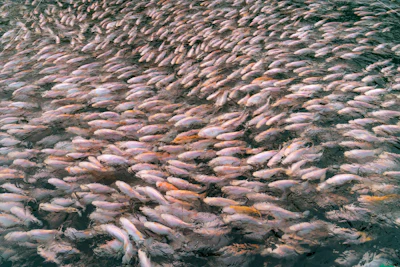

A proposed $320-million land-based salmon farm in Port Deposit, Md., has drawn legal scrutiny, with the Chesapeake Bay Foundation and two local watermen suing to overturn its wastewater discharge permit, Bay Journal reports.
Norwegian-backed AquaCon Maryland LLC plans to use a recirculating aquaculture system to produce 20,000 metric tons of salmon annually—raising fish in closed-loop tanks and discharging up to 1.9 million gallons of treated “purge” water daily into the lower Susquehanna River.
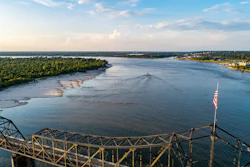
Though the Maryland Department of the Environment (MDE) approved the permit in March, the plaintiffs argue the nutrient and sediment discharge will harm an already vulnerable river system—particularly the Susquehanna Flats, a key habitat for white perch, striped bass, and American shad.
AquaCon says the discharge will meet strict thresholds and undergo UV treatment and nutrient offsetting, but critics remain concerned. This lawsuit underscores the regulatory and environmental challenges facing new aquaculture ventures—especially when sited near sensitive estuarine ecosystems.
The case raises key questions for water-focused operators: How do we reconcile land-based aquaculture innovation with the ecological realities of the receiving water bodies? And what constitutes an acceptable risk when new technologies meet old habitats?