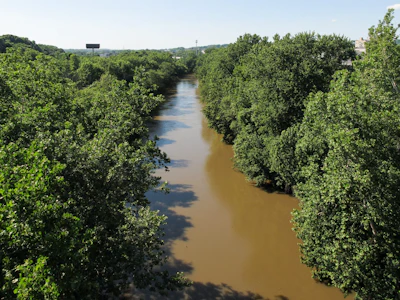

Youngstown, Ohio, just dodged a bullet for now, and, in doing so, joined a growing club of cities negotiating breathing room on aging infrastructure mandates.
In a revised agreement with the state of Ohio, the city secured a modified consent decree to delay penalties tied to decades-old Clean Water Act violations (more on this later). The deal—expected to receive U.S. EPA approval by June—adjusts timelines for upgrading Youngstown’s 50-year-old wastewater treatment plant, which has contributed to chronic sewage overflows into the Mahoning River since at least 2002. The Vindicator first reported on this story.
For city officials and local businesses, the agreement is more than regulatory housekeeping. It shields a $500-million industrial base, including steel and manufacturing, from a 20% utility rate hike that could’ve followed full enforcement. It also positions the city for a major upgrade contract, an opportunity for engineering firms, filtration tech suppliers, and construction crews.
This kind of negotiated flexibility is becoming more common as the true scale of the U.S. wastewater gap becomes harder to ignore. Simply put: You can’t fine your way to compliance when thousands of plants nationwide are already behind.
Indeed, Youngstown’s strategy reflects a broader shift in the $100-billion U.S. wastewater compliance market: Cities are pushing back on aggressive consent decrees and seeking phased paths to modernization, particularly in the post-IIJA funding landscape.
By the numbers:
- $240 million – Revised cost of a new wet weather facility, up from $62 million; central to the legal dispute and the city’s push for a smaller, more affordable system.
- 80 MGD – Proposed capacity of the downsized facility; represents Youngstown’s compromise proposal, aiming to maintain performance while reducing cost.
- $380–$400 million – Estimated total cost to comply if mandates were enforced as originally written.
- 2030 – Projected completion date for the wet weather facility; a new target that hinges on federal approval.
- $1.48 million – Total EPA/DOJ penalty sought.
Pending federal approval, construction bids could open as soon as Q3 2025. In the meantime, tech providers in areas like overflow monitoring, smart SCADA, and stormwater capture should watch for RFPs. Local businesses should brace for modest rate bumps as the city begins implementation.
In Youngstown’s case, the decades-old Clean Water Act violations stem from:
1. Combined Sewer Overflows (CSOs)
Youngstown—like many older industrial cities—operates a combined sewer system, which carries both stormwater and sanitary sewage in the same pipes. During heavy rainfall or snowmelt, these systems can exceed capacity, discharging untreated or partially treated sewage directly into the Mahoning River.
-
Violation: Discharging raw sewage into navigable waters violates the Clean Water Act, which requires municipalities to either treat all wastewater or implement approved overflow mitigation plans.
-
First cited: The city’s CSO issues have been on the EPA’s radar since at least the early 1990s, but enforcement actions intensified after a 2002 consent decree was filed.
2. Long-Term Control Plan Delays
The EPA requires cities with CSOs to develop and execute a Long-Term Control Plan (LTCP) that lays out specific projects, milestones, and timelines to reduce or eliminate these overflows.
-
Violation: Youngstown has faced delays in meeting these milestones, due in part to the scale of upgrades required and budget limitations. The city has struggled to secure adequate funding for major system improvements outlined in the original LTCP.
-
Example projects: These typically include retention basins, green infrastructure, tunnel systems, or upgrades to the treatment plant itself—like improved aeration and filtration, which Youngstown is now planning.
3. Effluent Violations
EPA records also show exceedances of permitted pollutant discharge levels from Youngstown’s wastewater treatment plant, including:
-
Biochemical oxygen demand (BOD)
-
Total suspended solids (TSS)
-
Nutrient loads (like nitrogen and phosphorus)
These are core metrics under National Pollutant Discharge Elimination System (NPDES) permits, and consistent exceedances are reportable violations under the Clean Water Act.
Youngstown’s case is emblematic of what many midsize industrial cities face—aging infrastructure, deferred maintenance, and limited capital to meet increasingly strict federal mandates.
The negotiated revisions to its consent decree reflect a trend toward more flexible, phased compliance, with an eye on balancing public health, environmental goals, and economic feasibility.