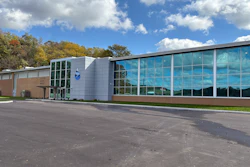
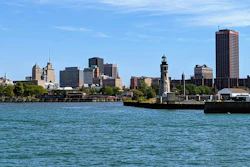
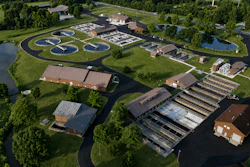
Fort Lauderdale, Fla., has opened a $666 million drinking water treatment facility designed to improve water quality, strengthen hurricane resilience and replace a nearly 70-year-old plant serving the city and surrounding communities.
The Prospect Lake Clean Water Center, which celebrated its opening Oct. 15, uses nanofiltration and ion exchange technology to produce up to 50 million gallons of treated drinking water per day. The investment includes approximately $181 million in supporting infrastructure improvements to integrate the new facility into the existing distribution system.
The new plant replaces the Fiveash Water Treatment Plant, which opened in 1953 and relied on conventional lime softening. That process could not adequately remove tannins, naturally occurring organic compounds responsible for the yellow tint customers have long reported in their drinking water. The older facility also would have required substantial upgrades to address emerging contaminants, including PFAS.
The Prospect Lake facility combines 35 MGD of nanofiltration capacity with 15 MGD of ion exchange treatment. It is also engineered to withstand Category 5 hurricane-force winds, addressing another limitation of the aging Fiveash plant.
The project was delivered through a public-private partnership involving the city, IDE Technologies, Ridgewood Infrastructure and Kiewit Water Facilities Florida. The city retains ownership, with private-sector partners responsible for operational management and maintenance under a 30-year agreement.
Water from the new facility began entering the distribution system in September. As commissioning continues, Fiveash will transition into a storage and distribution center rather than being retired entirely. The city says customers may notice temporary changes in taste, color or cloudiness during the transition.
Fort Lauderdale's investment illustrates how replacing an aging treatment plant can address several challenges simultaneously: water quality, emerging contaminants, severe-weather resilience and long-term reliability. The project also demonstrates how utilities can repurpose existing treatment facilities for storage and distribution rather than abandon those assets entirely.