
 Photo by David Wilson
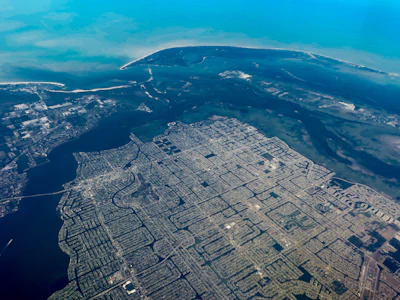
Cape Coral’s plan to build a water storage and pumping facility on protected land at Yellow Fever Creek Preserve is stirring controversy—not just among residents but also within the broader infrastructure and utility sectors.
The city argues the project is essential for expanding water access to its rapidly growing northern communities, but the backlash underscores the increasing tensions between infrastructure expansion and environmental conservation.
Why It Matters
For utility providers, developers, and municipal planners, this case highlights key business challenges:
- Balancing Growth with Conservation – As cities expand, securing land for critical infrastructure is getting harder, especially when public green spaces are involved.
- Regulatory & Public Pushback – Even if a project meets zoning and regulatory requirements, community opposition can delay or derail construction.
- Rising Costs of Relocation – Cape Coral officials say an alternative site would require $4 million in modifications—a financial reality that businesses and municipalities often face when forced to pivot.
The Big Picture
? Infrastructure needs vs. community impact: Cities nationwide are struggling to balance urban expansion with conservation efforts, particularly in regions facing rapid growth. Utility expansions, water storage, and energy infrastructure are increasingly bumping up against environmental concerns and public resistance.
? Legal and reputational risks: Prolonged legal battles and public outcry can erode trust, increase project costs, and force expensive last-minute design changes.
? The cost of alternatives: Relocating infrastructure to avoid political fights isn’t cheap. The Kismet Parkway alternative suggested by residents carries a multimillion-dollar modification cost—a reality developers frequently face when adjusting projects to meet opposition demands.
The Business Takeaway
Early stakeholder engagement is critical!
Municipalities and developers must engage residents, environmental groups, and regulators early to reduce friction before projects reach an approval stage.
Those stakeholders should plan to “future-proof” land use. With public lands increasingly off-limits, governments and utilities need long-term strategies for securing infrastructure sites that won’t trigger costly battles.
Even in a shifting political climate in the U.S., ESG considerations matter. Infrastructure projects tied to environmental and social concerns can face long-term backlash, affecting funding, approvals, and public perception.
What’s Next?
Cape Coral’s City Council will make the final call, but the case is a warning for businesses involved in infrastructure development: Growth can’t come at the expense of community trust. Companies that prioritize transparency, alternative site planning, and proactive public engagement will be better positioned to navigate the growing friction between expansion and conservation.