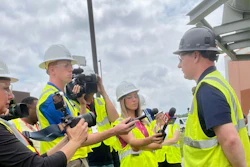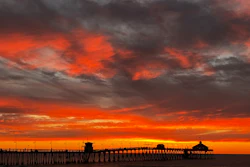
The recently completed DigIndy Tunnel System winds 250 feet below Indianapolis to capture sewer overflow and keep it from infiltrating local waterways. Though most of this work is underground, the results are visible to nature lovers now witnessing clearer waters and a resurgence of regional wildlife.
Peter Bloomquist, owner of Frank’s Paddlesports Livery, grew up on White River and Fall Creek. Canoeing Indianapolis’s waters since childhood has given Bloomquist insight into the mental and physical benefits of being “amongst the green,” as he calls it.
“Being on the river hastens those effects, I call it the blue-green mixture,” said Bloomquist, a self-described “river rat” whose business provides boat rentals and guided tours. “[The water] is what has calmed me down when going through grief and struggles during different times of my life.”
Prior to DigIndy, those journeys have not always been pleasant. Indianapolis’s outdated combined sewer system carried stormwater and sanitary sewage into the White River - a nasty stew of sanitary products, toilet paper and persistent septic odor. Bloomquist also has grim memories of the Guide Corp. fish kill, when toxic chemicals wiped out more than four million fish along a 50-mile stretch of the river.
The local ecosystem has been reshaped by DigIndy, a 28-mile network of 18-foot-diameter tunnels now intercepting the untreated effluent that once flowed more freely into the watershed. Finished last fall, the project is designed to divert 95% of sewer overflows – or about five billion gallons annually - into treatment facilities operated by Citizens Energy Group.
 Daniel Woody Photography
“You can see visual difference in clarity – on spring days there’s mud and silt, but come here in July, and you’ll have eight-foot visibility to the bottom of the river,” Bloomquist said. “You can hang out in front of a canoe and watch the fish and turtles. This little glimpse of the ecosystem is here all the time, with these little critters just going about their daily lives.”
Welcome back
Nonprofit advocacy group Friends of the White River is dedicated to preserving regional waterways and getting skeptical residents to experience them firsthand. Beyond the water itself, Indianapolis offers 50 miles of connected greenways ideal for public use, said marketing committee chair and local wildlife photographer Daniel Woody.
“Getting people onto the water is the most important thing we can do to spread the message that it’s healthy, safe and enjoyable,” Woody said. “But I’m always surprised by paddlers who are blown away by the natural beauty.”
The water is now a sanctuary for returning wildlife, from migratory birds and aquatic mammals to sensitive fish species, added board director Jason DeArman, who also owns a fly fishing business in the area.
Kingfishers and ospreys – joined by blue and green herons- are among the bird populations now frequenting the revitalized waterway. Once a rarity due to high pollution, bald eagles have also returned in numbers apace with the river’s improvement.
“You can count on them every day for any eight-mile float,” said DeArman. “We weren’t seeing bald eagles 15 years ago. Now, we’re seeing them a lot.”
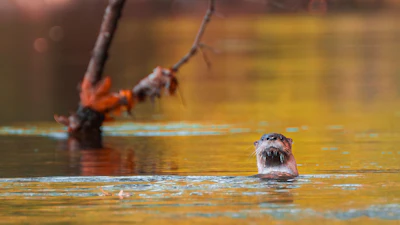
River otter, softshell turtle and perch populations have jumped as well, further proof that local waters are once again thriving, Woody said.
“I’m always coming across people who believe that our rivers are polluted, dirty and gross,” he said. “In these conversations, I find that people haven’t been around the river, or maybe haven’t been on the water at all. That’s what people were raised with – unless you go out and experience it yourself, it’s hard to turn off that stigma.”
Witnessing a transformation
 Daniel Woody Photography
For instance, low-head dams are man-made obstructions that pose a danger to outdoor enthusiasts – Cruz’s group is also raising awareness about data centers, which require significant water volumes to manage server temperatures.
“Education on the water is our passion,” said Cruz. “For younger generations, it helps them realize the economic and recreational values of our waterways. We’re teaching them about ecology and water quality. When kids go home happy, it can influence the mindset of parents who may have had (negative) experiences with the river.”
Meanwhile, entrepreneur Bloomquist is turning his attention to the nitrogen and phosphates from upstream farms that wash into the White River before emptying into the Wabash. To that end, he advises paddlers to enjoy the water by keeping their feet in and their faces out.
While these safety protocols remain necessary, they do little to dampen Bloomquist’s overall enthusiasm for the transformation he’s witnessed.
“Without DigIndy, I would never have opened my business,” said Bloomquist. “I want the experience on the river to be you see more animals than you do people. ‘Butts in boats’ is our motto. It makes people care about nature.”