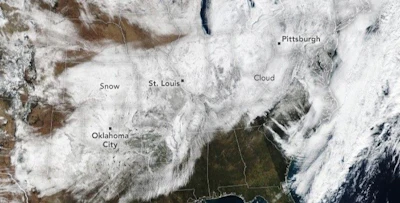

Winter Storm Fern wreaked havoc across the southern and midwestern U.S. last week, leaving thousands without power or access to clean water. Multiple states experienced water main breaks, boil-water advisories, and significant drops in water pressure.
While it’s no secret that American water infrastructure is outdated, cold snaps and winter storms as severe as Fern emphasize that “good enough” doesn’t suffice when outdated water systems are put to the test. Dr. Ali Fares
“These weather extremes are damaging to our water infrastructure,” said Ali Fares, Ph.D., TAMUS-Regents professor of water security and Food-Energy-Water Nexus at Prairie View A&M University in Texas. “Our infrastructure is old, and getting it up to withstand cold-weather events is going to take a lot of time and investment. But there are certain things utilities can do now, like creating or updating SOPs specifically for winter storms.”
Utilities in Ohio, Oklahoma, and Texas had no choice but to perform emergency repairs in icy conditions when Fern arrived. And while Oklahoma and Texas took some proactive steps to prepare for the severe winter storm, Ohio’s response was more reactive.
All three states have yet to update their winter response plans. But with a month and a half of winter ahead, they would be smart to reconsider.
If these states decide to update their cold weather playbooks, here’s where they should start.
How utilities responded
Ohio Governor Mike DeWine declared a state of emergency on Jan. 24, a full day before Winter Storm Fern struck. The declaration activated the Ohio Emergency Operations Center and mobilized state resources to local governments. Still, crews had to work throughout the night to make emergency repairs.
In addition, the state rushed to issue boil-water advisories to 3,500 people in Greene County and restore their water pressure. They did not receive a public warning or an opportunity to prepare for the freeze ahead of time.
In Texas and Oklahoma, some cities moved earlier. Denison, Texas, had crews repair water main breaks hours before the storm started. Crews in Oklahoma City mobilized in advance and officials encouraged residents to protect any exposed pipes. This early action may have reduced the immediate impact of Fern, but stronger infrastructure and detailed emergency protocols would have gone much further.
“In Texas, we learned our lesson from Winter Storm Uri in 2021,” said Dr. Fares. “The storm was a stress test for us, and it clearly showed that, without accelerated investment in cold weather hardening and hardening our systems, we will continue to face similar disruptions.”
Across all three states, the emergency plans were largely improvised, not grounded in formal winter response plans. After recent major cold-weather events like Uri and the 2022 Christmas freeze, utilities have had several opportunities to learn from severe storms and upgrade their systems.
So, the question remains: Are utilities really trying to be proactive, or are they just scrambling to respond storm after storm?
Where winter response plans freeze up
The varying responses to Fern in Ohio, Oklahoma, and Texas aren’t outliers. They reflect how different utilities across the country weren’t fully equipped to prepare for a severe winter storm. This happened for a variety of reasons.
Winter response plans are typically built on outdated infrastructure and legacy protocols. As a result, many utilities find themselves rushing to respond instead of preparing in advance.
As shown by Ohio’s response to Fern, delays in communication from utilities are common. These breakdowns are often tied to unclear communication protocols, including who approves notification messages and how advisories are issued. The public is then left in the dark, just when they need trust and guidance the most.
Another common shortfall is failing to review emergency protocols after a winter storm hits. By skipping this step, utilities miss the chance to improve training, response protocols, and infrastructure planning. They also miss the chance to justify future funding by putting a price on storm-related costs and vulnerabilities. Without structured debrief sessions, utilities will continue to face every winter storm like it’s their first.
Perhaps most pressing, many smaller cities don’t have the resources to prepare. Unlike larger utilities, they may be understaffed, lack financial resources, or operate without backup equipment. Even if they understand the risks, these systems will remain vulnerable without dedicated support.
What a strong winter response plan looks like
An effective winter storm response plan anticipates risk, defines roles in a utility department, and protects water infrastructure. Here’s a checklist that outlines what utilities should do before, during, and after a significant cold-weather event.
Before the storm
- Map freeze-prone assets across the city
- Position crews and stock repair parts where necessary
- Test generators and check fuel levels
- Set storm response triggers (forecast temperatures, alerts, etc.)
- Prep message templates for the public
During the storm
- Check water pressure and flow in real time
- Issue weather advisories across channels (text messages, social media, etc.)
- Coordinate with power utilities, road crews, and emergency managers
After the storm
- Host a post-storm debrief with the utilities team
- Note important impacts and response gaps across the city
- Update SOPs and identify funding needs
What Fern signals for utilities moving forward
As water infrastructure in the U.S. continues to age, storms as severe as Fern will further strain cities and expose their outdated emergency response plans.
While Ohio, Oklahoma, and Texas face their own set of challenges, they all had to work through ad hoc responses and aging infrastructure. Reactive repairs, stalled communication, and limited support showed how devastating winter storms can be for unprepared utilities.
With more than a month of winter left and more storms on the horizon, it would be smart for utilities to formalize their response plans and invest in stronger infrastructure to make sure the next “Fern” doesn’t catch them off guard.
“It’s impossible to be overprepared,” said Dr. Fares. “These extreme weather events are becoming the norm, and we better adapt to them so that we don’t have to compromise our quality of life.”