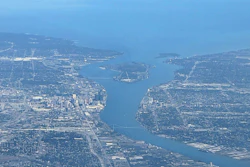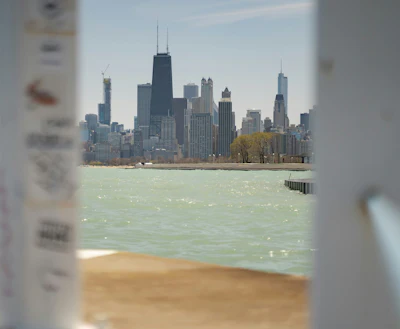

Construction is under way on a 60-mile transmission pipeline that will deliver treated Lake Michigan water from Chicago to six growing suburban communities facing aquifer depletion. The project, led by the Grand Prairie Water Commission (GPWC), marks one of the most ambitious regional water supply undertakings in Illinois in recent decades.
Why it matters
The GPWC was formed in response to a critical 2021 assessment by the Illinois State Water Survey, which warned that the region’s 100-year-old aquifer would no longer meet demand by 2030. The pipeline will serve 250,000 residents at launch, with capacity to expand to 500,000.


Participating municipalities: Joliet, Crest Hill, Romeoville, Shorewood, Channahon, and Minooka
Project highlights
-
Scope: 60 miles of transmission line; multiple construction phases over five years
-
Source: Treated water from Chicago, eliminating the need for softening infrastructure in end-user communities
-
Funding: Low-interest state and federal loans, with some anticipated rate increases for end users (Joliet rates expected to double from historically low baseline)
-
Cost: $1.4 billion total, with completion targeted for mid-2030
“This project reflects the power of regional collaboration in securing long-term water resilience,” said Clarence DeBold, GPWC chair and mayor of Shorewood. Local officials emphasized the pipeline’s role in protecting public health, supporting economic development, and reducing reliance on non-renewable groundwater.
Federal support and local offsets
Rep. Lauren Underwood (IL-14) is pursuing $5 million in federal appropriations for FY2026 to offset costs. Chicago, which will treat and supply the water, also receives direct revenue and over $2 million in park funding tied to the project.
As aquifer stress accelerates across the U.S., the GPWC pipeline offers a model for intergovernmental water infrastructure financing, long-range supply planning, and resource-sharing across jurisdictions.