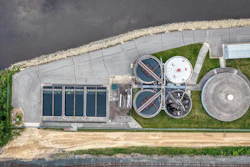


 In a major move for water resilience, Arizona regulators approved new rules on April 23 allowing treated wastewater to be directly converted into drinking water—a first-of-its-kind framework in the U.S.
The Advanced Water Purification (AWP) rules could allow utilities to recycle up to 95% of wastewater, helping offset a 15% decline in Colorado River supplies since 2000. The City of Phoenix plans to build a $1 billion AWP facility by 2030, supported by $200 million in federal funding.
Why it matters:
-
Contract opportunities: Membrane system providers, engineering firms, and tech vendors can target RFPs tied to Arizona’s rollout, with the U.S. potable reuse market projected to hit $30 billion by 2035.
-
Water security: Semiconductor manufacturers and other water-intensive industries gain critical supply stability as Arizona’s investments scale.
-
Public perception hurdle: About 30% of residents remain skeptical of wastewater-to-drinking water programs, per Arizona State University polling, potentially slowing adoption.
Big picture:
Arizona’s framework could serve as a regulatory model for other drought-prone states, particularly California and Texas, where direct potable reuse is seen as key to addressing long-term shortages. Nationwide, potable reuse could supply 10% of urban water demand by 2040, per EPA projections.
By the numbers:
-
95% wastewater recycling rate targeted
-
100M gallons/day output planned for Phoenix
-
$1B Phoenix project cost, with $200M federal support
-
15% Colorado River supply decline
-
$2B economic risk tied to continued water shortages
What’s next:
-
Phoenix will issue RFPs for membrane systems and treatment components by Q4 2025, with construction breaking ground in 2026.
-
Utilities statewide may face $500 million in retrofitting costs.
-
Public outreach campaigns will launch to build acceptance ahead of plant commissioning.